LET'S CRAFT INTUITIVE USER EXPERIENCES AND BEAUTIFUL DIGITAL PRODUCTS WITH A FOCUS ON THE END USER!
LET'S CRAFT INTUITIVE USER EXPERIENCES AND BEAUTIFUL DIGITAL PRODUCTS WITH A FOCUS ON THE END USER!
HOW TO GET THERE:
HOW TO GET THERE:
HOW TO GET THERE:
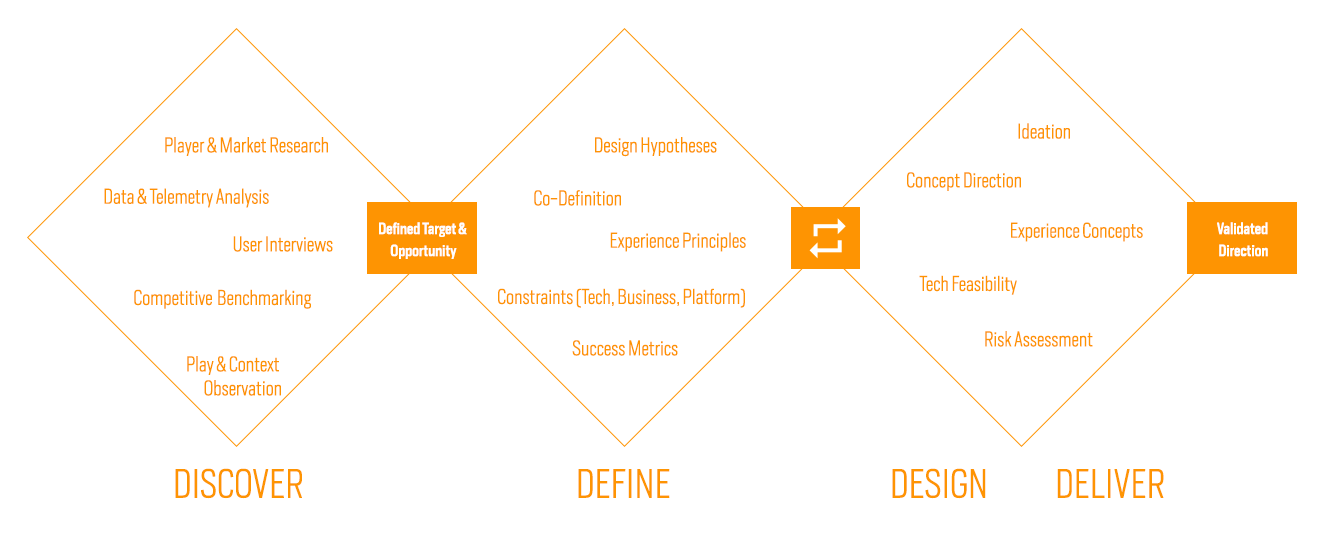
From Linear to Integrated, AI-accelerated, and Engine Native
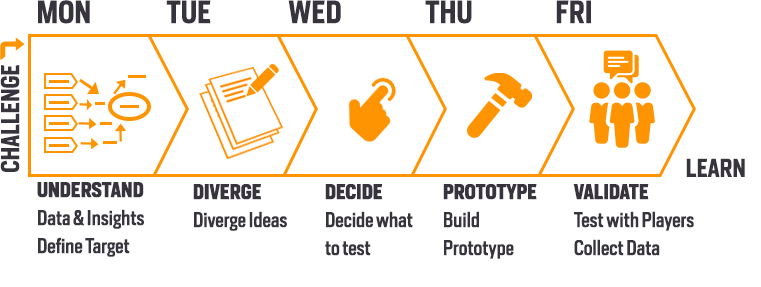
The process starts with a client brief to figure out the requirement and scope of the project. Understand the complexity and its context and define the target audience (personas). The goal is to discuss and define what's needed and afterwards propose the best fit in terms of quality, budget and time.
// MODERN
PRINCIPLES
The process starts with a client brief to figure out the requirement and scope of the project. Understand the complexity and its context and define the target audience (personas). The goal is to discuss and define what's needed and afterwards propose the best fit in terms of quality, budget and time.
- User & Player Centered
- Data-Informal Decisions
- Cross-Functional Collaboration
- AI as an Amplifier, not a replacement
- Build in the Medium, not in the Mockup


// DISCOVER &
DEFINE
// BRIEF &
PROBLEM
The process starts with the client brief to figure out the requirement and scope of the project. Understand the complexity and its content and define the target audience (persons). The goal is to discuss and define what's needed and afterwards propose the best fit in terms of quality, budget and time.
The process starts with a client brief to figure out the requirement and scope of the project. Understand the complexity and its context and define the target audience (personas). The goal is to discuss and define what's needed and afterwards propose the best fit in terms of quality, budget and time.
// IDEATE &
CO-CREATE
// BRIEF &
PROBLEM
// IDEA
& DESIGN
Discovery phase is a chance to show the amount of screens and connections with flow charts and information architecture. By using high-fidelity wireframes the construction of the layouts are shown. It is important to quickly and rapidly visualize the design idea for the customer to receive feedback and iterate on it. Once the wireframes are approved, pixel perfect high fidelity visuals are created.
Discovery phase is a chance to show the amount of screens and connections with flow charts and information architecture. By using high-fidelity wireframes the construction of the layouts are shown. It is important to quickly and rapidly visualize the design idea for the customer to receive feedback and iterate on it. Once the wireframes are approved, pixel perfect high fidelity visuals are created.
Define player goals, needs, motivations
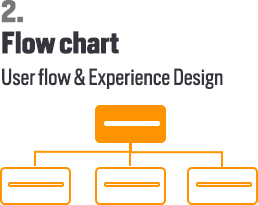
Map end-to-end flows and systems
Map end-to-end flows and systems
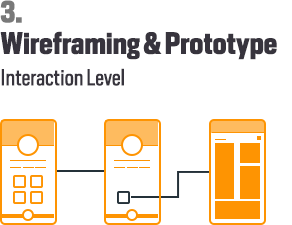
Build playable/clickable prototypes early
(Look and Feel)
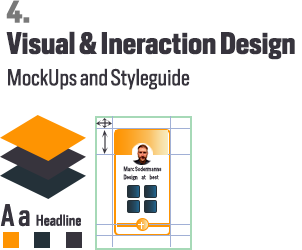
Refine UI, motion, states within the engine
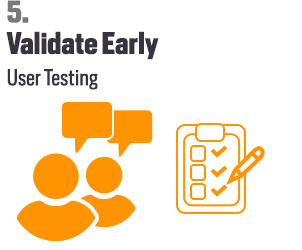
Get feedback internally and from players
Work together in the product
Designers, Game Designers, Engineers, and Product work side by side in the same tools and builds.
// TEST & LEARN, ITERATE TO FINALIZE
Set up an interactive prototype to bring the wireframes and visual designs to life, so key functionality can be validated. Use the prototype to collect feedback and iterate quickly on that to bring the product to final quality. Additionally workshops can be set up to integrate and explain the functions to the customer.
Success Measures:
- Player Satisfaction/NPS
- Engagement & Retention
- Task Success Rate
- Time to Value/Flow Efficiency
- Business Impact (KPIs)
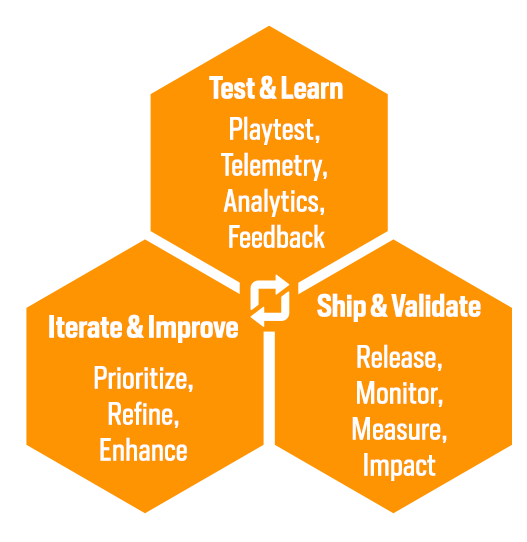
I am alsways focused on rapid and quick prototyping and results. I strive for the best workflows, processes and collaborations.
LAST PROJECTS:
LAST PROJECTS:
LAST PROJECTS:
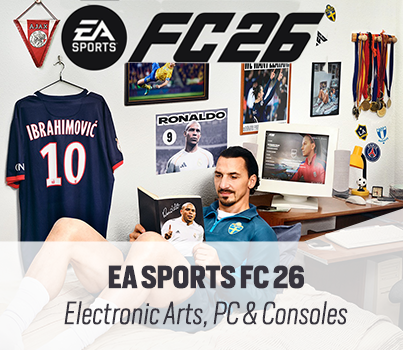

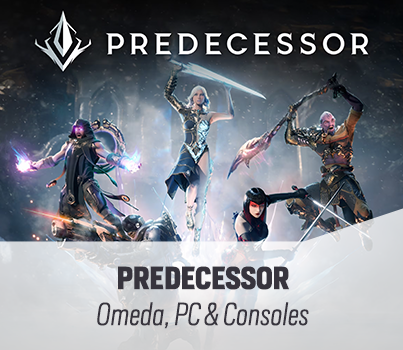




SOME CLIENTS I WORKED FOR
KIND ’’ WORDS
Marc and I were lucky enough to join forces at Ubisoft Mainz, where he was an integral member of the UI team working on Skull & Bones. Since the game is a co-dev project with development split between studios around the globe, we had to face a good amount of challenges and he was an absolute asset in dealing with sometimes rather difficult international communication issues. He always made sure to be crystal clear on his tasks both to our team and the other teams involved. His experience in graphic, UX and UI design as well as his technical skills and openness to dive into all related technical parts of our work are still highly valued among our team. It was quite a loss to see him leave and I'd welcome him back to our team anytime

Sebastian Sonntag
Lead Game Designer at Ubisoft
